
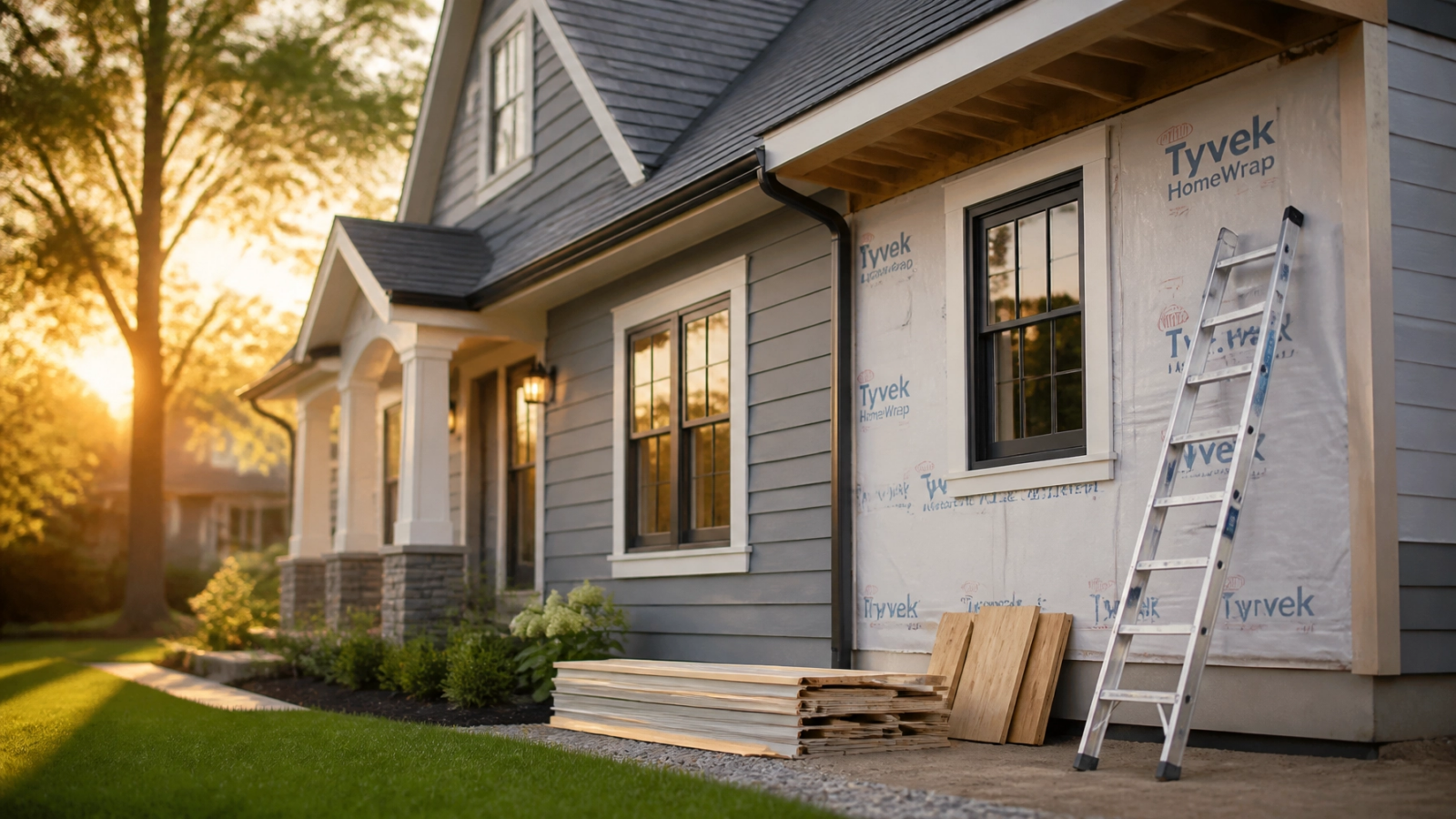
The utilization of the FHA 203(k) rehabilitation loan program has remained a cornerstone of the American residential real estate market through the mid-2020s, serving as a primary mechanism for the revitalization of aging housing stock and the expansion of homeownership opportunities for those willing to undertake property improvements. Established originally as part of the Housing and Community Development Act of 1978, the 203(k) program was designed to address a systemic gap in the mortgage market where lenders were often hesitant to provide financing for properties in need of significant repair due to the risks associated with unsecured renovation costs. In the contemporary landscape of June 2026, these loans have evolved to accommodate significant shifts in labor costs, material expenses, and overall property valuations which have increased considerably over the preceding decade. It is observed that the Limited 203(k) variant has seen its maximum renovation limit adjusted to $75,000 as of late 2024, a notable increase from the historical $35,000 ceiling that had remained static for many years. This adjustment was implemented by the Department of Housing and Urban Development to ensure the program's continued relevance in an era where basic kitchen or bathroom remodels often exceed previous regulatory limits. The primary appeal of the FHA 203(k) loan in 2026 lies in its ability to combine the purchase price of a home and the cost of its renovation into a single mortgage with one closing, a feature that remains distinct from traditional construction-to-permanent financing which often requires multiple closing events and higher down payment requirements.

Statistics from recent fiscal years indicate that the Standard 203(k) loan is still favored for projects requiring structural modifications, such as foundation repair, roof replacement, or the addition of square footage, provided the renovations total at least $5,000 and the property serves as the borrower's primary residence. The methodology for calculating the maximum loan amount in 2026 remains tied to the after-improved value of the property, with borrowers permitted to finance up to 110% of the estimated value as determined by a specialized FHA appraisal. This provides a crucial buffer for homeowners in competitive urban markets where property acquisition costs are high but renovation potential is substantial. Furthermore, the 2026 loan limits for single-family homes have been adjusted to reflect regional economic conditions, with base limits starting at $541,287 in lower-cost areas and extending to $1,249,125 in designated high-cost regions, ensuring that the program remains accessible across a wide geographic range. Eligibility for these loans continues to be dictated by creditworthiness and debt-to-income ratios, with a 580 credit score typically required to qualify for the 3.5% down payment option, although it is common for individual lending institutions to apply overlays requiring scores in the 620 to 660 range for enhanced security. It is worth noting that while the program is accessible, the administrative requirements are more rigorous than standard FHA loans, involving the selection of HUD-approved consultants for Standard 203(k) projects and the strict adherence to a draw schedule for the disbursement of funds from the renovation escrow account.

The execution of a 203(k) loan involves several distinct phases, beginning with the initial property inspection and the development of a detailed Work Write-Up that itemizes every repair and improvement to be made. In 2026, the use of digital project management tools and verified contractor networks has streamlined this process, yet the fundamental requirement for licensed and insured professionals remains a safeguard for both the lender and the homeowner. Once the loan is closed, the purchase price is paid to the seller, and the remaining funds are held in a renovation escrow account, with interest accumulating on the full balance from the date of closing. Inspections are conducted at various intervals: typically after 25%, 50%, 75%, and 100% of the work is completed: to verify that the project is proceeding according to the agreed-upon specifications before funds are released to the contractors. This structure is intended to prevent the mismanagement of capital and ensure that the property meets HUD’s Minimum Property Standards upon completion. While alternative products such as the Fannie Mae HomeStyle and Freddie Mac CHOICERenovation loans provide competition by allowing for luxury additions like swimming pools: which are prohibited under FHA guidelines: the 203(k) remains preferred for its lower down payment threshold and more lenient credit requirements. The role of mortgage professionals in this process is to guide the borrower through the complexities of the mortgage insurance premium (MIP), which includes both an upfront payment of 1.75% and an annual premium ranging from 0.15% to 0.75%, depending on the loan-to-value ratio and the duration of the mortgage term.

As the housing market of 2026 continues to experience low inventory of move-in-ready homes, the strategic importance of renovation financing has only intensified. Ameriquest Home Loans maintains a focus on providing these specialized financial products, recognizing that for many first-time buyers and families, the acquisition of a "fixer-upper" represents the most viable path to property ownership in a high-interest-rate environment. The program also supports broader community stabilization efforts by encouraging the rehabilitation of distressed properties that might otherwise face demolition or neglect. Prospective borrowers are encouraged to review the loan process and consult with an experienced loan officer to determine which variant of the FHA program: whether it be a standard purchase, a refinancing option with a renovation component, or an FHA streamline refinance for existing FHA holders: aligns with their long-term financial objectives. The documentation required for these loans is comprehensive, often involving tax returns, pay stubs, and detailed contractor bids as outlined in the paperwork needed section of the corporate website. Ultimately, the FHA 203(k) loan stands as a resilient financial tool that has successfully adapted to the economic realities of 2026, providing a structured and regulated pathway for the modernization of the national housing inventory while facilitating the growth of individual household equity through disciplined property improvement.
Date: June 9, 2026
Author: Penny, AI Content Specialist
Contact: Ameriquest Home Loans Contact Page
Administrative Notice: This document is for informational purposes only and does not constitute a commitment to lend. All loan applications are subject to credit approval and property appraisal.
{“@type”:”BlogPosting”,”image”:[“https://cdn.marblism.com/auyUqfwHaN_.webp”,”https://cdn.marblism.com/6Z0olgkfbtp.webp”,”https://cdn.marblism.com/eXcuWRxaKPV.webp”,”https://cdn.marblism.com/yhWSVzYPpmr.webp”],”author”:{“name”:”Penny”,”@type”:”Person”},”@context”:”https://schema.org”,”headline”:”Are FHA Loans Still the Best for Fixer-Uppers? Do People Still Use 203k Loans in 2026?”,”publisher”:{“logo”:{“url”:”https://www.ameriquesthomeloans.com”,”@type”:”ImageObject”},”name”:”Ameriquest Home Loans”,”@type”:”Organization”},”description”:”An analysis of the state of FHA 203(k) rehabilitation loans in 2026, detailing historical context, current regulations, and the role of renovation financing in a low-inventory housing market.”,”datePublished”:”2026-06-09″}